You argue in front of judges and negotiate with opposing counsel without breaking a sweat. But the moment someone points a camera at you, something changes.
We’ve filmed attorneys from coast to coast, and almost every single one of them was nervous before the shoot. By lunch, most of them were laughing.
Why lawyers struggle on camera
Courtrooms and cameras demand opposite skills. In court you’re measured and deliberate, choosing every word, and that’s what makes you effective.
On camera, that same precision reads as stiff and rehearsed. If the production process is wrong, the things that make you a great attorney can make you a terrible video subject.
Scripts and teleprompters cause most of it.
What doesn’t work: scripts and teleprompters
Most video production companies hand you a script. “Just read this naturally.” But there’s nothing natural about reading someone else’s words off a screen while pretending to look at the camera. Your eyes glaze and your voice flattens, because reading is exactly what you’re doing.
Some companies use teleprompters, thinking it’s a step up from paper. It’s not. Teleprompter eyes are obvious. Viewers can tell you’re reading even when the text is right next to the lens. And the more you focus on getting the words right, the less you sound like yourself.
Most attorneys want to control the words because the stakes feel high. Your training tells you to be exact and to think before you speak.
A viewer watches differently than a judge reads a brief. They are deciding whether you seem steady and human enough to call. If the process forces you into performance mode, the viewer feels the distance immediately.
That is why “just write a better script” rarely fixes the problem.
What works: guided conversation
We sit across from you and ask questions written for your firm and your story. “Why did you start this firm?” “What’s the most important thing a client should know before they call?” “What kind of cases make you angry?”
You answer honestly, in your own words, the way you’d answer if a friend asked at dinner. We capture that. Then we edit the best moments into a cohesive piece.
The result sounds like you on your best day, talking to someone you trust.
Guided conversation also protects the firm from bland answers. The interviewer steers around vague claims and marketing language that sounds like every other lawyer’s website. The best moments usually come from follow-up questions: “Why does that matter?” “When did you learn that?” “What do clients misunderstand about that?” “What do you wish people knew earlier?”
Those questions get past polished language and into specifics.
The goal shapes the conversation. An attorney profile video needs the person to come through. A practice area video has to clarify the problem and the process, and FAQ videos need answers short enough to stand on their own.
What to expect on shoot day
If you’ve booked a shoot and you’re nervous, here’s exactly what happens:
Before you’re on camera, we spend time talking through the topics. You’ll know the general direction but not the exact questions. That’s intentional. Rehearsed answers sound rehearsed.
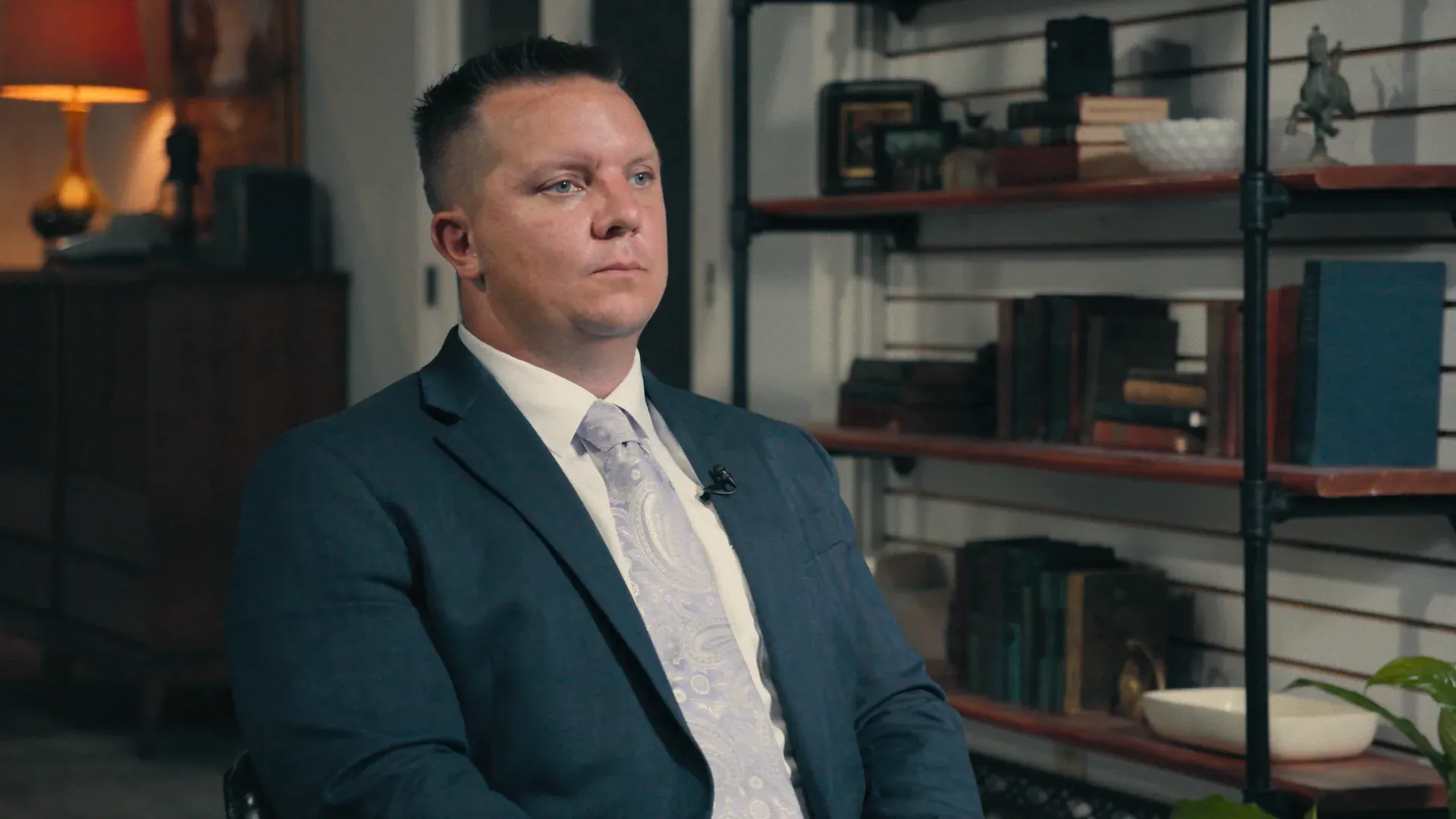
When the camera rolls, you’ll forget about it faster than you think. We use a conversational setup where you’re looking at a person, and the camera sits off to the side. Most attorneys tell us they stop noticing it before the first setup is done.
If you stumble, we keep rolling. Nobody expects a perfect take, and the answer right after a stumble is often the one where you sound most like yourself.
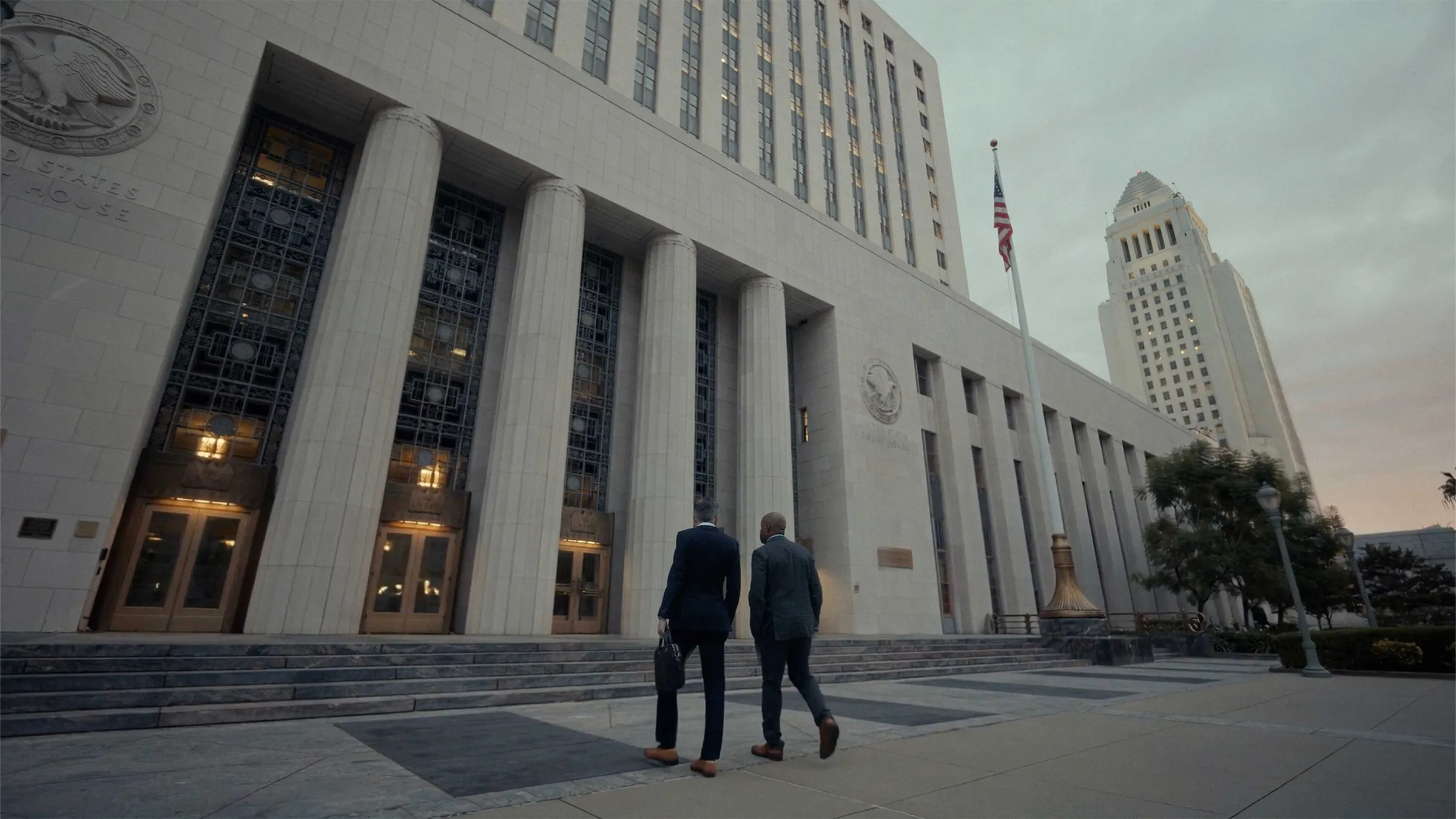
We film multiple setups throughout the day, in different locations and at different times of day, so you’re not sitting in one chair for eight hours. Every change of scene is a natural break.
“The smartest move that this company does is have the lawyers go to different locations and do different video shoots at different times of the day. That is what sets the video apart from all the other boring videos you see out there.”
Dave Ring · Taylor | Ring
The first setup is usually the stiffest. That is normal. You are learning the room, the lights, the pace, and the fact that nothing terrible happens when you stumble. By the second setup, the conversation has taken over.
Good direction helps, and on our sets it sounds like this. Shorter answer. Say that again but simpler. Start with the client. Give me the example. Take the legal jargon out. Explain it like you would to someone sitting across from you in the conference room.
Five things you can do to prepare
-
Don’t memorize anything. Seriously. The worst thing you can do is show up with a script in your head. We want your own words, the way you’d actually say them.
-
Wear what you’d wear to meet a new client. Professional but comfortable. Avoid small patterns and stripes (they can shimmer on camera). Solid colors work well.
-
Get a good night’s sleep. Camera work is more tiring than people expect. Staying present through hours of questions wears you out.
-
Expect a stiff start. You’re going to feel awkward for the first few minutes, and it passes.
-
Remember why you’re doing this. Prospective clients want a sense of who you are while they’re still deciding. This video is how they meet you.
What your video team should do to help
Your comfort on shoot day is partly the production team’s job.
A good video team should make the expectations clear before shoot day. You should know the general themes, the schedule, the wardrobe guidance, and how the interview will work. You should not be handed a script the night before and told to practice.
If you are still choosing that team, our comparison of 10 law firm video production companies treats the interview process as one of the five criteria that decide the result.
On set, the team should create a calm room. Attorneys notice everything: how many people are watching, whether the crew seems rushed, whether the interviewer understands the firm, whether the setup feels like a deposition or a conversation.
The interviewer matters most. The right interviewer knows when to let silence sit for a second and when to ask a follow-up. They can hear that an answer is accurate but too technical to use, or that an attorney is hiding behind legal language because the real answer feels personal.
Common mistakes attorneys make before filming
The biggest mistake is overpreparing the wrong way.
Some attorneys write out full answers or ask marketing to draft talking points. Others watch competitor videos and decide they need to sound more polished. All of it usually makes the shoot harder.
Better preparation is quieter. Think through the stories that shaped the firm and the clients you’re best built to serve. Look back at the questions prospects ask before hiring, and decide what you do not want the firm to sound like. Come with examples in mind and let the exact wording happen on camera.
Examples are gold on camera. A story about one client holds a viewer’s attention where a general line like “we care about clients” floats past them.
How this affects the finished video
Comfortable attorneys create better marketing assets.
A relaxed interview carries through the whole library. The brand video feels grounded, attorney profiles sound like actual people, and the social cuts come out with natural hooks already in them.
Once an attorney settles in, the same conversation can feed a full video library: a homepage moment, a bio page answer, a short social clip, and a follow-up video for intake or email.
Attorney video FAQ
How can attorneys feel more comfortable on camera?
Attorneys usually feel more comfortable when the shoot is built around guided conversation, not scripts or teleprompters. The goal is to answer real questions in their own words.
Should lawyers memorize answers before a video shoot?
No. Memorized answers almost always sound rehearsed. It is better to understand the topics, trust the interviewer, and answer naturally.
What should attorneys wear for a law firm video shoot?
Wear what you would wear to meet a serious prospective client. Solid colors usually work best, and small patterns or tight stripes should be avoided because they can shimmer on camera.
If you want to dig further, the process page walks through how a shoot runs and the portfolio shows the finished work. A new engagement always begins with a brand video, with attorney profile videos added on top of it for your bio pages. Packages and pricing are here.
Get your free Video Blueprint. We build it before we talk, then walk you through it on a 30-minute Blueprint Call. You keep it whether you hire us or not.