

Why Most Law Firm Video Production Fails (And What to Do Instead)
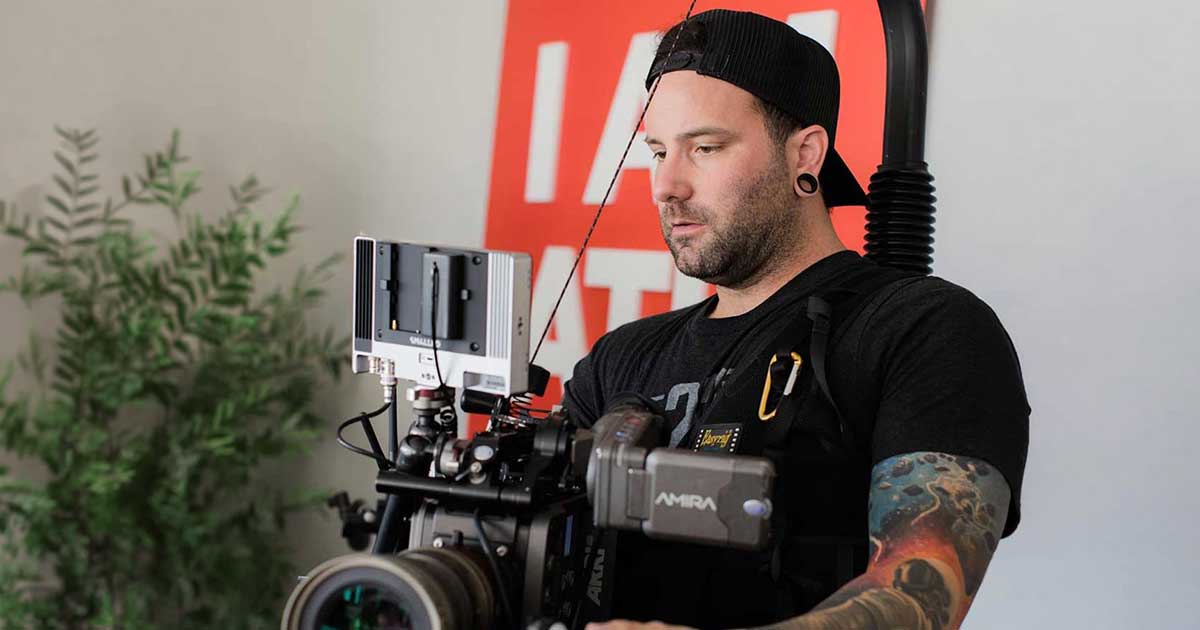
Your firm spent $15,000–$25,000 on law firm video production. It looks professional. The lighting is good. The logo animation is clean.
And nobody cares.
This happens more than anyone in the video production industry wants to admit. Three specific mistakes cause almost every case of “we tried video and it didn’t work.”
Mistake #1: The Script
Most video production companies send a script before the shoot. You rehearse it. You memorize it. You deliver it to camera like you’re reading a legal brief out loud.
The result is exactly what you’d expect: an attorney who looks uncomfortable saying words that don’t sound like them.
Here’s what actually works: throw the script away.
At Story First, we sit across from every attorney and ask real questions — why they started their firm, the case that still keeps them up at night, and what happens in the first ten minutes when a new client walks through the door. That conversation, not a teleprompter, is what makes people pick up the phone. Not because it’s polished. Because it’s real.
Every attorney we’ve worked with says the same thing after their law firm video production wraps: “That was way easier than I expected.” The ones who were most nervous almost always end up with the best footage. Nervousness reads as genuine on camera. Rehearsed confidence reads as fake.
Here’s what that looks like in the finished product — Plaxen Adler Muncy’s brand video, shot entirely from guided conversation:
Mistake #2: One Video. One Place. Then Nothing.
You complete your law firm video production. You post it on the homepage. Maybe you upload it to YouTube. Then it sits there.
That’s buying a billboard and putting it in your garage.
A single brand video should live in multiple places: your homepage above the fold, your About page, your Google Business Profile, and your social channels. You can also add a clickable thumbnail in your email signature that links to the full hosted video — most email clients block embedded video from playing directly, so a thumbnail that clicks through is the right approach. If you run paid ads, the same video or a cut of it works as pre-roll or in-feed content.
Then that same video gets cut into shorter pieces for ongoing distribution — 30-second and 60-second versions for social feeds. Each one drives back to the full video or your contact page.
One production. Multiple locations. Content that keeps working months after the shoot.
The firms that say “video didn’t work for us” almost always mean they posted one video in one place and nothing happened. That’s not a video production problem. That’s a distribution problem.
For firms with existing marketing agencies — and most firms at this level have one — this is where we step in alongside them. We handle the video production side. They handle deployment. The content gets used instead of forgotten.
Mistake #3: Looking Exactly Like Every Other Firm
Go to five personal injury firm websites right now. Count how many have a courthouse photo, the phrase “aggressive representation,” and a headshot of someone in a suit.
If you were hurt in a car accident and comparing those five firms, could you tell them apart?
Most law firm video production makes the same mistake. Videos are produced well, but they say nothing specific. “We care about our clients.” “We fight for justice.” “Our attorneys have decades of combined experience.”
Every firm says this. Which means no firm is actually saying anything.
The attorney videos that convert do something most lawyers find uncomfortable at first: they show the person, not just the professional.
That means mentioning the hobbies. The family. The reason you got into law that has nothing to do with prestige or grades. The case that changed how you practice. The thing you care about outside the office that has nothing to do with the law.
The managing partner who gets emotional talking about why they fight for injured people. The associate who coaches their kid’s soccer team on weekends. The founding partner whose family member needed legal help they couldn’t afford — and that’s why they practice what they practice.
These are the details that make a potential client feel like they already know you before the first call. They’re also the details most attorneys resist sharing — because they seem too personal, not “professional” enough.
They’re wrong. Those details are the whole thing.
Showing up as a real human being on video isn’t a soft nice-to-have. It’s the difference between a brand video that converts and a brand video that collects digital dust.
Here’s an example — Lessem, Newstat & Tooson’s brand video. Criminal defense attorneys who actually let you see who they are:
What Firms That Get Results Do Differently
Three things. Most firms skip at least one.
They ditch the script. Guided conversation produces attorney video footage that memorized talking points never will. The person directing your shoot should be asking questions — not handing you lines.
They have a distribution plan before the cameras roll. Knowing where every piece of content will live before your law firm video production begins changes what you produce. This isn’t an add-on — it’s the difference between content that works and content that collects dust.
They commit to being specific — and human. Not just “we help injured people” but who they are, why they do this, and what the firm actually feels like to work with. Generic beats nobody. Specific and human beats everyone.
The Question Worth Asking
If you’ve invested in video production for your law firm before and it didn’t deliver — was the video itself the problem, or was it the strategy around the video?
Nine times out of ten, the footage is fine. What’s missing is the specificity, the distribution, and the willingness to show up as a real person instead of a credential list.
That’s fixable.
Free Download: Ten questions every firm should be able to answer before a camera rolls. These are the same questions Story First uses in every pre-production session. Download the list →
The first conversation should be about strategy — not cameras. Book a strategy call.
Ready to Stand Out?
Book a strategy call to learn how cinematic video can position your firm as the authority in your market.
BOOK A STRATEGY CALL